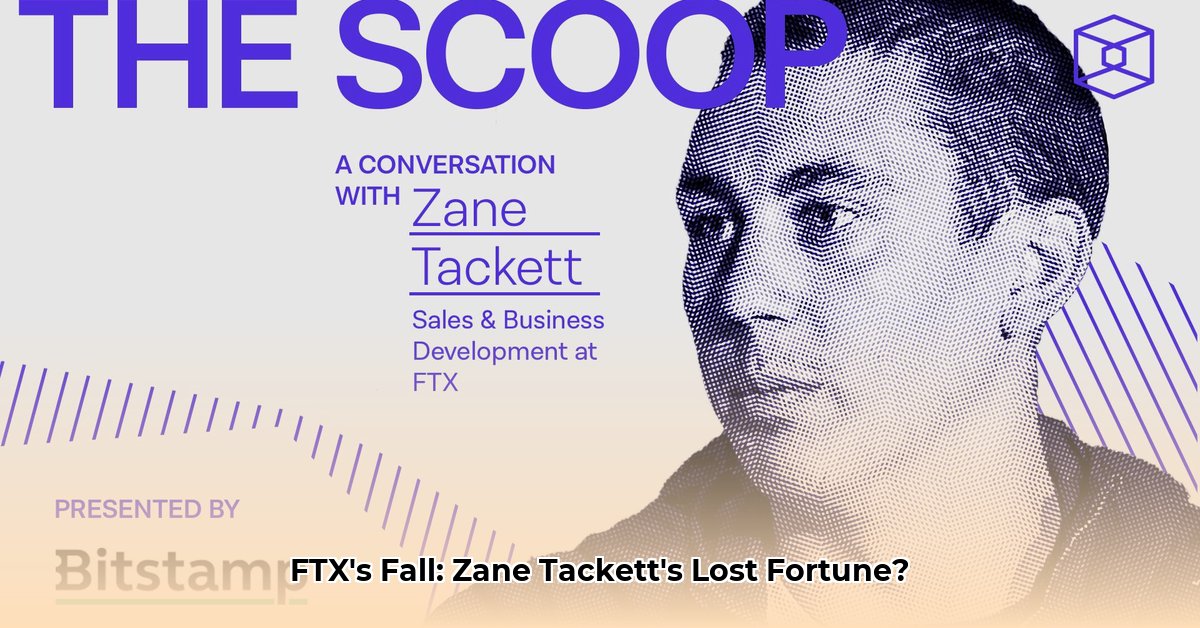
Zane Tackett's Story: A Microcosm of Employee Losses
The spectacular collapse of FTX sent shockwaves through the cryptocurrency world, impacting not only investors but also numerous employees who had a substantial portion of their net worth tied up in the now-bankrupt exchange. Zane Tackett’s case exemplifies the devastating consequences, with reports suggesting an approximately 80% decline in his net worth following the FTX implosion. For more on his story, see Zane Tackett's Net Worth. His experience highlights the systemic risks within the cryptocurrency industry and the urgent need for greater transparency and regulation. Many employees, like Tackett, held significant portions, or even all, of their savings in FTX-related assets, suffering catastrophic losses when the exchange crumbled.
The FTX Implosion: Unpacking Systemic Failures
The FTX collapse wasn't a sudden event; it resulted from a confluence of factors, including a lack of transparency, potentially risky business practices, and insufficient regulatory oversight. Employees like Zane Tackett likely had little awareness of the extent of FTX's internal struggles until the very last moment, when their accounts were frozen and their savings vanished. This raises crucial questions about the company's internal controls and the accountability of its leadership. Ongoing investigations aim to shed light on these questions, but the immediate impact has been devastating for many. How could an exchange of such apparent prominence collapse so spectacularly? Did systemic failures contribute to the extent of the losses?
Broad Implications: Beyond Individual Trajectories
Zane Tackett's experience is not an isolated incident; it underscores broader vulnerabilities within the cryptocurrency ecosystem. The heavy reliance on centralized exchanges, the lack of robust regulatory frameworks, and the absence of adequate risk management practices all contributed to the crisis. This interconnectedness highlights the systemic fragility of the industry, leaving employees and investors alike highly vulnerable to unexpected shocks. What measures can be put in place to prevent future collapses of this magnitude? What role should regulators play in safeguarding the interests of employees and investors?
Mitigating Future Risks: A Call for Action
The FTX debacle serves as a harsh but critical lesson, revealing the need for transformative changes within the industry and responsible financial strategies by individuals. Several steps are crucial to mitigate future risks:
- Diversification: Avoid concentrating investments; spread assets across various exchanges and asset classes.
- Due Diligence: Conduct thorough research before investing in any cryptocurrency or company; don't solely rely on hype.
- Regulatory Advocacy: Demand increased transparency and stricter regulatory oversight in the cryptocurrency space.
- Employee Protection: Companies need to prioritize employee financial well-being through transparent financial reporting and robust risk mitigation strategies.
The Road to Recovery: Rebuilding Trust and Stability
The FTX collapse has severely eroded trust in the cryptocurrency market. The profound impact on Zane Tackett's net worth and the experiences of numerous other employees underscore the urgent need for fundamental reform. The industry must address the issues of transparency and oversight to restore confidence. Will the lessons learned from the FTX implosion lead to robust reforms, ensuring greater security and stability for future participants in the cryptocurrency market? The path to recovery requires a collective effort from industry players, regulators, and investors alike.